
The Rise of Drone Photography: A Beginner’s Guide to Capturing Stunning Aerial Shots
Drone photography has revolutionized the way we capture the world, offering breathtaking aerial perspectives previously reserved for those with access to aircraft. As drones become more accessible and user-friendly, both hobbyists and professionals are exploring the skies to capture stunning imagery. If you're looking to embark on this aerial journey, here's a comprehensive guide to get you started and elevate your drone photography skills.
1. Understanding Drone Photography
Drone photography involves using unmanned aerial vehicles (UAVs) equipped with cameras to capture images from elevated perspectives. This approach offers unique vantage points, allowing for creative compositions and the ability to photograph subjects from angles not possible with traditional ground-based photography.
2. Choosing the Right Equipment
Selecting the appropriate drone is crucial for achieving high-quality aerial shots. Consider the following factors:
- Camera Quality: Opt for drones with high-resolution cameras capable of shooting in RAW format for better post-processing flexibility.
- Stability and Flight Features: Features like gimbal stabilization, GPS, and obstacle avoidance enhance flight stability and safety, ensuring sharper images.
- Battery Life: Longer battery life allows for extended shooting sessions, giving you more time to compose the perfect shot.

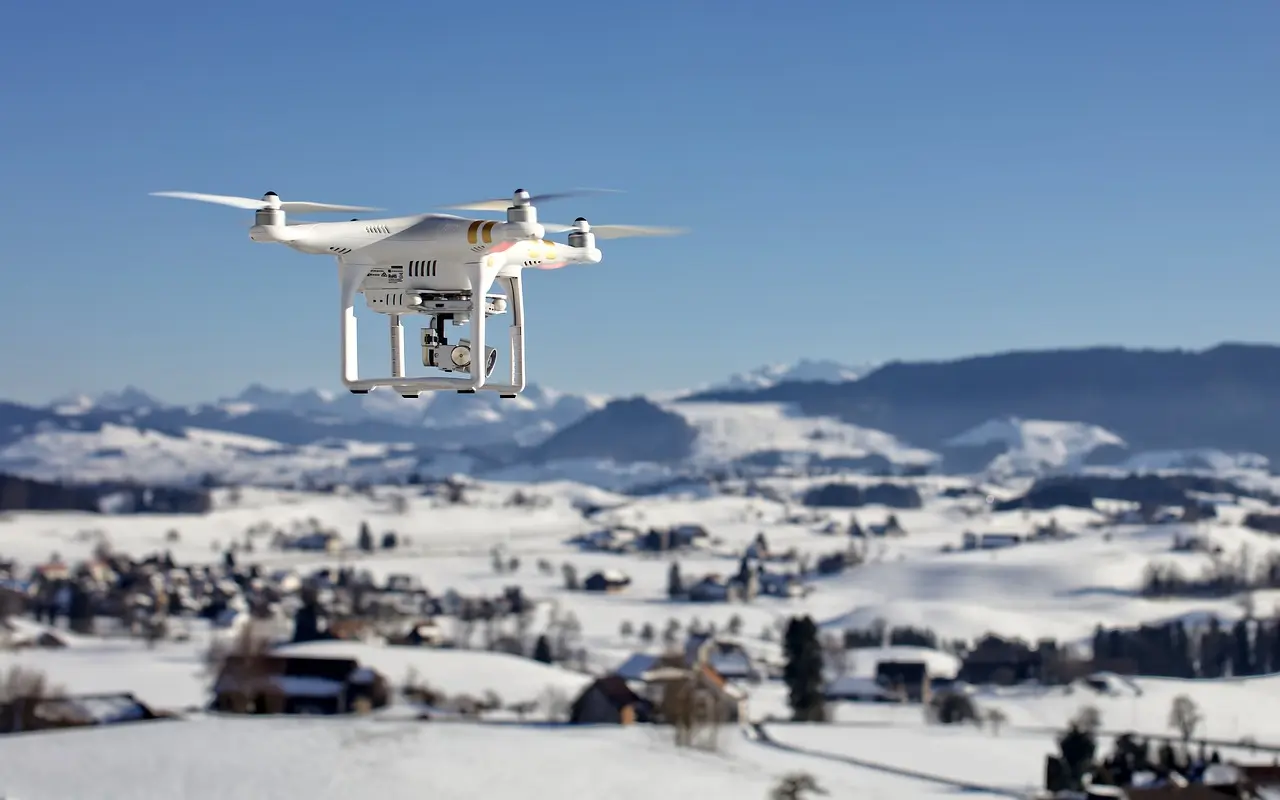
Popular models like the DJI Phantom and Mavic series are renowned for their balance of quality and user-friendly features.
3. Familiarize Yourself with Regulations
Before taking to the skies, it's essential to understand and comply with local drone regulations. In many regions, drone pilots must register their drones, adhere to specific flight restrictions, and avoid no-fly zones such as airports and military bases. Always check the latest guidelines from aviation authorities to ensure safe and legal operations.
4. Mastering Flight Controls
Proficient control of your drone is fundamental to capturing compelling images. Practice in open areas away from obstacles to hone your piloting skills. Utilize intelligent flight modes like 'Point of Interest' or 'Follow Me' to automate complex shots. Execute gentle and deliberate movements to avoid motion blur and achieve cinematic shots.

5. Composition Techniques
Applying traditional photography principles can enhance your aerial images:
- Rule of Thirds: Position key elements along the grid lines to create balanced compositions.
- Leading Lines: Use natural lines like roads or rivers to guide the viewer's eye through the image.
- Patterns and Symmetry: Aerial views often reveal patterns not visible from the ground, adding interest to your photos.
6. Lighting Considerations
Lighting dramatically impacts the mood and quality of your photographs. Shoot during the Golden Hours (early morning or late afternoon) when the sun provides soft, warm light, reducing harsh shadows. Overcast days can offer diffused lighting, while clear skies provide vibrant colors. Always monitor weather forecasts to plan your sessions.
7. Camera Settings
Adjusting your camera settings appropriately is vital. Keep ISO low (e.g., 100) to minimize noise. Use faster shutter speeds to prevent motion blur, especially in windy conditions. A mid-range aperture (e.g., f/5.6) ensures a good depth of field. Most importantly, capture images in RAW format for greater flexibility in post-processing.
8. Post-Processing
Enhancing your images through software like Adobe Lightroom or Photoshop can bring out their full potential. Fine-tune exposure, contrast, and color balance to achieve the desired look. Correct any lens distortion or horizon tilts to maintain a professional appearance.
9. Safety Precautions
Prioritize safety to protect both your equipment and the public. Always perform a pre-flight checklist: inspect your drone for damage, ensure batteries are charged, and confirm GPS connectivity. Be mindful of your surroundings, avoiding crowded areas and respecting privacy.

10. Continuous Learning
The field of drone photography is continually evolving. Stay updated on new technologies, software updates, and regulatory changes. Join online forums and local clubs to exchange knowledge and experiences with fellow drone enthusiasts.
Embarking on drone photography opens a realm of creative possibilities. By understanding your equipment, adhering to regulations, and continually refining your skills, you can capture stunning aerial shots that offer fresh perspectives of the world around us.
Ready to Take Flight?
Elevate your brand presence with cinematic aerial photography that captures the big picture.
Book Your Drone Shoot